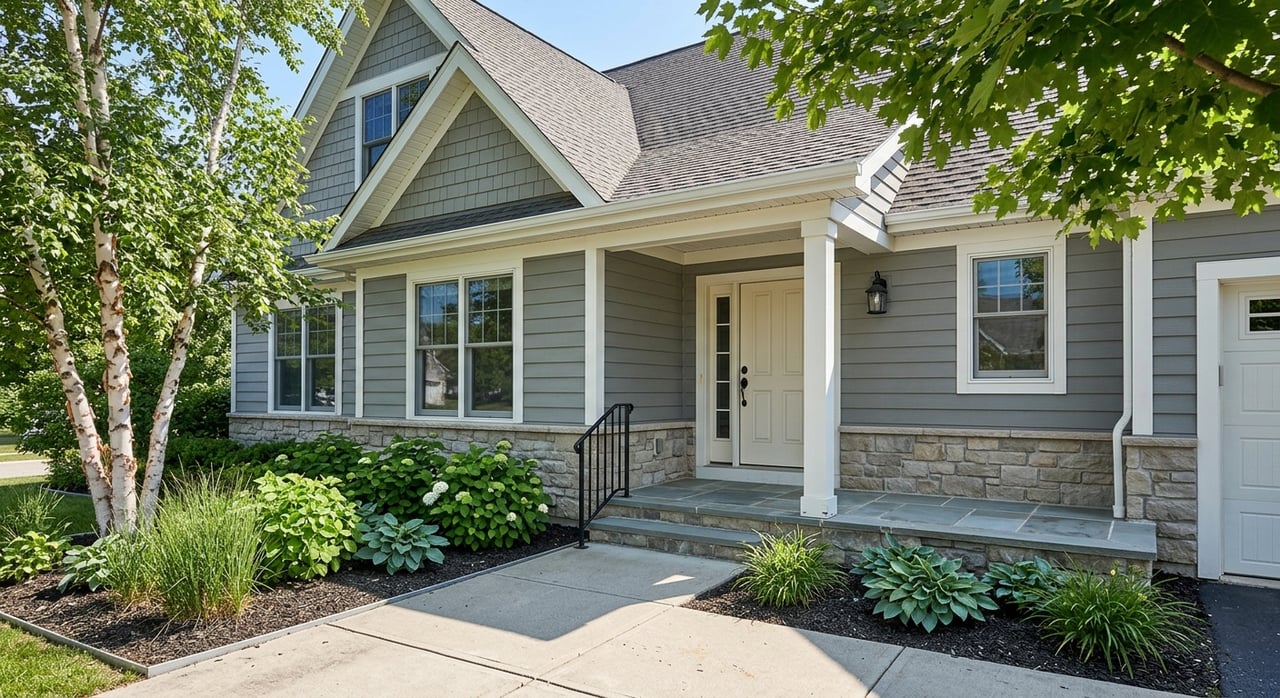
Downsizing in Minnetonka MN to Condo or Townhome Living
April 23, 2026
April 23, 2026
Thinking about leaving behind a larger home, but not ready to leave Minnetonka? You are not alone. For many homeowners, downsizing is less about giving something up and more about simplifying daily life while staying close to the places and routines they already love. If that sounds like you, this guide will help you compare townhome and condo living in Minnetonka, understand the real costs, and plan a move that feels organized instead of rushed. Let’s dive in.
Minnetonka is a natural place to downsize if you want to stay in the west metro. The city has more than 53,000 residents, with 22.8% of residents age 65 or older, and it offers more than 50 parks and open spaces plus over 100 miles of trails and two regional trails crossing the city, according to the City of Minnetonka.
That combination matters when you are choosing your next chapter. You can reduce home maintenance without leaving behind familiar shopping, services, trails, and community connections. Minnetonka also has a strong base of owner-occupied housing, with 71.6% of housing units owner-occupied, which reflects a market where many homeowners choose to stay local when their needs change.
From a pricing standpoint, downsizing in Minnetonka is also a practical conversation. The city’s median value of owner-occupied homes is $475,800, and Realtor.com reports a current median listing price of $499,900 with 231 active homes for sale and a median 33 days on market. That means you may have options, but timing and preparation still matter.
Downsizing does not always mean moving into a much smaller space. In Minnetonka, attached homes often offer more square footage, storage, and privacy than buyers expect.
Current Minnetonka townhome listings show a wide range of layouts. Examples on Realtor.com’s Minnetonka market overview include a 2-bedroom, 1.5-bath, 1,380-square-foot townhome and a 3-bedroom, 2-bath, 1,836-square-foot townhome with a 2-car garage and full basement.
Some townhomes also include features that are especially appealing for downsizers, such as a main-floor primary suite, vaulted ceilings, walk-in closets, a large full bath, and an attached 2-car garage. If you want less exterior upkeep but still want a home that feels more like a traditional house, a townhome may be the right fit.
Condos in Minnetonka can feel very different from one building to the next. Some are compact, while others include shared amenities and services that support a lower-maintenance lifestyle.
Current examples in Minnetonka include a 2-bedroom, 1.5-bath, 1,010-square-foot condo, as well as buildings with heated underground parking, elevator access, party rooms, pools, and tennis or pickleball courts, according to current local listing examples. Other listings highlight guest suites, workout rooms, car wash stations, and both indoor and outdoor pools.
For many downsizers, that tradeoff is the real appeal. You may be exchanging lawn work, snow removal, and exterior maintenance for building services and shared amenities.
The best choice usually comes down to how you want to live day to day. Square footage matters, but your routine matters more.
One of the biggest questions in any downsizing move is how to think about HOA dues. The key is not simply whether there is a fee. The better question is what that fee covers.
The Minnesota Department of Commerce explains that many townhome and condo communities are structured as common interest communities, or CICs. In these communities, owners share responsibility for common areas, while the homeowners association maintains those areas, enforces rules, collects dues, and manages finances.
That setup can reduce day-to-day chores like snow removal and landscaping. At the same time, it can also mean rules, financial obligations, and approval requirements that are different from owning a detached home.
Before you buy, review the community documents carefully. The Minnesota Department of Commerce notes that the declaration is the core document because it defines what you own individually, what is shared, how maintenance is handled, and how costs are allocated.
Those documents may also address rentals, parking, exterior changes, gardens, pets, and noise. Bylaws and rules typically explain how the board operates and what approvals may be needed before making changes.
HOA costs are not limited to monthly dues. The Minnesota Department of Commerce and the Minnesota Attorney General explain that regular assessments help cover operations and long-term maintenance, while special assessments may be charged for emergencies or if reserves are not adequate.
That is why it is important to look beyond the monthly number. A lower fee is not always better if the association is underfunded or facing major repairs.
If you are considering a condo or townhome, document review is one of the most important parts of the purchase. Minnesota law requires sellers to provide key association materials.
According to the Minnesota Attorney General, buyers should receive the declaration and amendments, bylaws, articles, rules, a disclosure statement or resale certificate, the latest financial statement and current budget, and information about outstanding judgments or lawsuits. Buyers also generally have 10 days to cancel after receiving the disclosures, unless that right was waived or the disclosures were provided before signing.
The annual report can also provide valuable insight. It should include revenue and expense statements, capital expenditures, replacement reserves, pending litigation or judgments, and the association’s insurance coverage. These details can help you understand whether the community is being managed with a healthy long-term plan.
When you downsize, the purchase price is only one part of the decision. What matters more is your all-in monthly cost.
The Consumer Financial Protection Bureau recommends looking at principal and interest, mortgage insurance if applicable, property taxes, homeowners insurance, supplemental insurance, HOA fees, maintenance, and utilities. The CFPB also notes that closing costs typically range from 2% to 5% of the purchase price.
This is where some downsizers are surprised. A lower-maintenance home may still carry monthly HOA dues, and a condo may include different insurance needs than a detached house. Comparing total monthly ownership cost gives you a much clearer picture than comparing list prices alone.
If you are moving from a larger single-family home, preparing it well can make your transition smoother. In a market where homes in Minnetonka are seeing a median 33 days on market, planning ahead can help you avoid feeling squeezed between your sale and your next purchase, based on Realtor.com’s local overview.
The National Association of Realtors consumer guide says a pre-sale inspection is optional, but it can help uncover issues with the roof, HVAC, plumbing, electrical systems, ventilation, and other major components before buyers do.
NAR also recommends practical preparation steps like cleaning windows, carpets, light fixtures, and walls, storing away clutter, and improving curb appeal through landscaping, the front entry, and paint. For most downsizers, the goal is to present a clean, well-cared-for home, not to take on an oversized renovation project right before moving.
Thoughtful staging can make a meaningful difference. According to a 2025 NAR report on staging, 29% of sellers’ agents said staging increased the offered dollar value by 1% to 10%, 49% said staging reduced time on market, and 83% of buyers’ agents said staging made it easier for buyers to picture the home as their future home.
If you are selling a longtime family home, this is especially important. Clean editing, thoughtful furniture placement, and a polished presentation can help buyers see the home’s next chapter clearly.
One of the most stressful parts of downsizing is coordinating two moves at once. Do you sell first, buy first, or use temporary housing in between?
Because Minnetonka’s market remains active, a clear plan matters. If your current home needs preparation before listing, or if you want time to review association documents carefully before purchasing a condo or townhome, building extra room into your timeline can help you make better decisions.
A simple planning checklist can help:
In Minnetonka, downsizing is often less about moving dramatically smaller and more about choosing a simpler, more predictable way to live. You may be looking for main-level living, an attached garage, elevator access, less exterior maintenance, or amenities that support how you want to spend your time.
The right move should support your next season, not just trim square footage. If you want help evaluating your options, preparing your current home for market, and creating a transition plan that feels tailored to your goals, connect with Carolyn Olson, Real Estate Agent.

If you have been thinking of selling your house and moving to a new home, condominium, or loft, she would be happy to help you market and sell your property, find a new home, and negotiate the best possible terms. If you are considering remodeling or renovating your home, she would be happy to help you assess the return on investment. She can even help you find the right architect, interior designer, builder, landscape architect, and craftspeople to make your project run as smoothly as possible.