
Relocating to Golden Valley MN: A Practical Guide
January 1, 2026
January 1, 2026
Thinking about a move to Golden Valley but not sure where to start? You want a smooth commute, easy access to parks, and a clear plan for touring homes without wasting a trip. You also need practical steps for HOA reviews, timelines, and winter logistics that actually work in Minnesota. This guide gives you a step-by-step path to relocate with confidence, tailored to Golden Valley’s location and lifestyle. Let’s dive in.
Golden Valley sits just west of Minneapolis, which puts you close to downtown and major west‑metro job centers. You get an established suburb with tree‑lined streets and a range of home styles, plus quick routes into the city. For many buyers, the draw is simple: shorter drives, a quieter neighborhood feel, and strong access to parks and trails.
If you are transferring for work, this location makes daily life easier. You can test commute routes to your office, then focus your search on neighborhoods that match your timing and lifestyle.
Two corridors shape most drives: Interstate 394 runs east to downtown Minneapolis, and MN‑100 runs north‑south along Golden Valley’s eastern side. Traffic patterns are predictable, but you should test your own door‑to‑door times at peak hours.
Golden Valley offers plenty of green space and community amenities. Start with the city’s own system for playgrounds, sports fields, and programs. You can browse facilities and seasonal programming through the City of Golden Valley Parks and Recreation.
For bigger trail networks and regional parks, tap into the west‑metro system managed by Three Rivers Park District. You will find multi‑use paths, nature areas, winter cross‑country ski grooming, and trailhead parking. Explore routes and maps on the Three Rivers Park District site.
In warmer months, look for neighborhoods with easy trail access for biking or walking. In winter, check which trails are groomed for skiing and which sidewalks are cleared by the city or county to plan your daily routines.
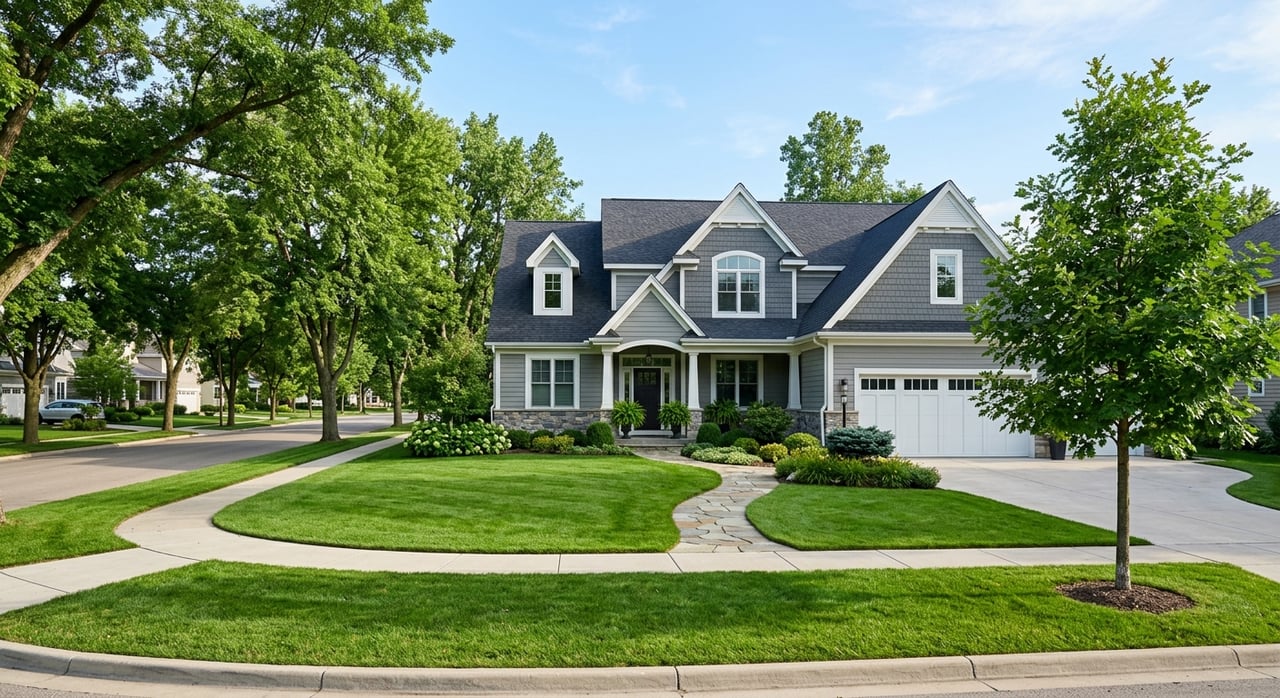
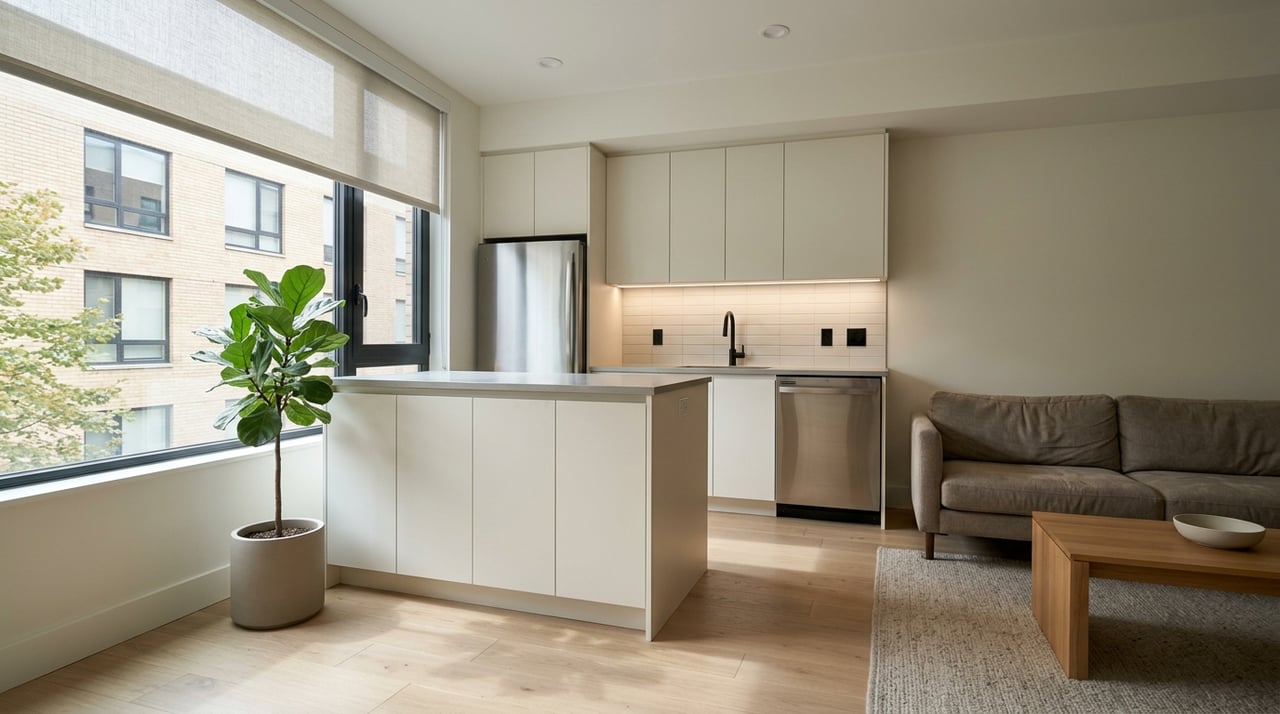
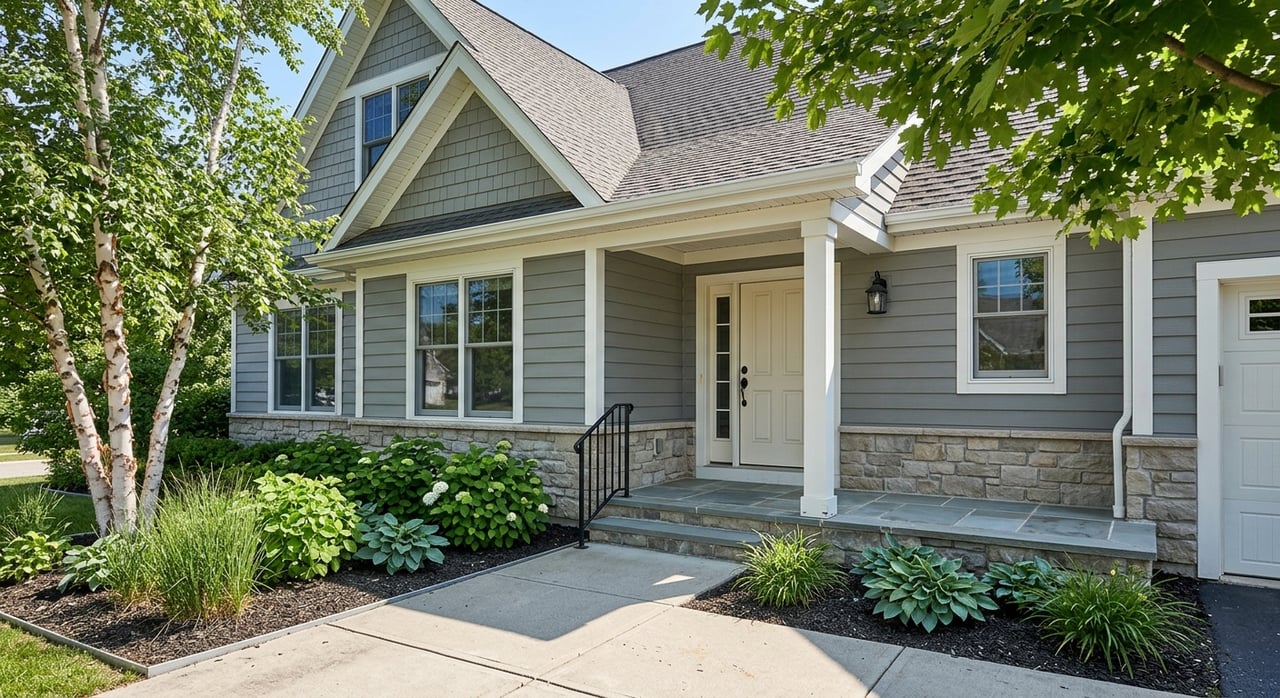
Golden Valley’s housing stock is a mix of mid‑century single‑family homes, newer infill on redeveloped lots, and a selection of townhomes and condos. Older homes often come with larger yards and mid‑century character. Newer builds tend to offer modern systems and open layouts, sometimes with smaller lots and a higher price per square foot.
If you are considering a condo or townhome, factor in HOA rules and fees. Associations manage common spaces and often include exterior maintenance, but they also set policies that affect daily living.
Before you get too far, request key documents so you can assess the association’s health and fit:
Red flags include very low reserves, repeated special assessments, unclear maintenance obligations, or rules that conflict with your plans.
Property taxes are managed by Hennepin County. For any address, review the assessor’s record and current taxes through the Hennepin County property and tax pages. Ask for recent utility bills to understand heating and electric costs, especially for older homes.
Plan ahead for winter comfort and safety. Check the age and condition of the HVAC system, insulation levels, and the driveway’s snow and ice management needs. If a property is near a water feature or low area, review floodplain maps and seller disclosures during due diligence.
Start with clear criteria so your list stays focused:
Use the City of Golden Valley planning and zoning resources for maps and notices. For official school boundary details, visit the Minnesota Department of Education and the relevant local district’s boundary tools. To confirm ownership, taxes, and assessments, start with Hennepin County.
District lines can split a city, so verify each property:
You can see the best options efficiently with a focused itinerary. The goal is to cluster showings, leave time for neighborhood checks, and maintain flexibility for second looks.
Spring brings the most new listings, along with more competition. Summer and early fall are active, while winter can offer better negotiation power with fewer options. For a typical relocation, plan your visit and offer timeline so you can close 45–90 days after mutual acceptance, depending on inspections and financing.
Get financing lined up before you travel. A local agent can write offers on short notice, coordinate inspections, and help you manage contingencies from out of state. If you cannot attend the inspection, appoint a trusted local representative and request a detailed report with photos.
After closing, handle registrations and services early. For new resident driver’s license and vehicle rules, start with Minnesota Driver and Vehicle Services. Set activation dates for electricity, gas, water, internet, and trash. Add mail forwarding, voter registration, pet licensing, and change‑of‑address tasks to your list. In winter, plan for snow removal, ice melt, and any parking restrictions.
Ready to talk through neighborhoods, routes, and a showing plan that fits your timeline? Reach out to Carolyn Olson, Real Estate Agent for a customized relocation strategy and a high‑touch experience from first call to closing.


If you have been thinking of selling your house and moving to a new home, condominium, or loft, she would be happy to help you market and sell your property, find a new home, and negotiate the best possible terms. If you are considering remodeling or renovating your home, she would be happy to help you assess the return on investment. She can even help you find the right architect, interior designer, builder, landscape architect, and craftspeople to make your project run as smoothly as possible.