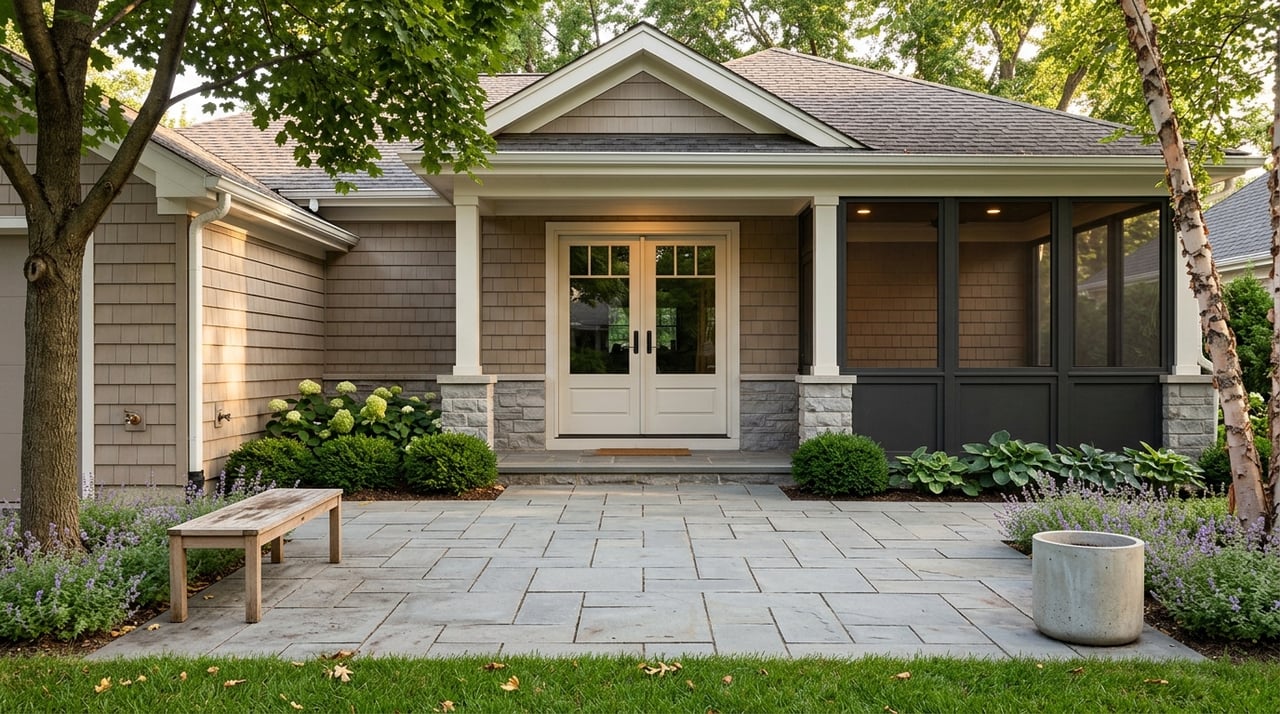
Buying a Minnetonka Lake Home as a Second Residence
April 16, 2026
April 16, 2026
If you picture a second home on Lake Minnetonka as one simple category, think again. The lake spans about 14,000 acres of water and 125 miles of shoreline across 14 cities and 2 counties, which means your experience can change dramatically from one property to the next. If you are considering a Minnetonka-area second residence, understanding access, shoreline rules, seasonal use, and financing details can help you buy with far more confidence. Let’s dive in.
Lake Minnetonka is not a one-size-fits-all shoreline market. According to the Lake Minnetonka Conservation District fact sheet, the lake covers a large, multi-city area, so parcel-specific rules and use rights can vary depending on the municipality and shoreline conditions.
That matters when you are buying a second residence for a specific lifestyle. Some buyers want a peaceful weekend retreat, while others want easier boating access or a lower-maintenance home near the water. The LMCD lake maps show public launches, marinas, short-term docking points, and different use areas across the lake, all of which can shape your day-to-day experience.
Boating activity also affects how a shoreline feels. Under current LMCD wake rules, there is a 300-foot minimum no-wake buffer from shore and a 150-foot minimum no-wake buffer from docks, anchored boats, swimmers, and diver flags. In practical terms, that can influence swimming conditions, dock usability, and how active or quiet a bay feels during peak season.
A second home near Lake Minnetonka can take a few different forms. The right choice depends on how you plan to use the property, how much maintenance you want, and how important private access is to you.
Direct lakefront gives you the most private use of the water, but it also comes with the most responsibility. The LMCD residential structure and dock guidance explains that docks, decks, platforms, watercraft, and similar items must stay within an authorized dock use area based on side lot lines and shoreline configuration.
For many single-family homes, annual permits or licenses are generally not required, but some situations still do require them. Permanent docks or storage of five or more watercraft are examples where additional LMCD approval may apply. That is why it is important to verify what is currently allowed on a specific parcel, not just what appears to be there today.
If you are dreaming about future additions, guest space, or expanded outdoor living, shoreland standards should also be part of your decision. The Minnesota DNR shoreland property owner guidance states that each lot may have one water-oriented accessory structure, subject to size and placement limits, and that guest cottages are also limited by square footage, height, and coverage rules.
A deeded-access property can be a smart middle ground if you want lake use without full shoreline maintenance. The most important question is not whether a listing mentions access. It is whether you have a clear, legal, recorded right to use the shoreline and any related dock area.
The Minnesota DNR water access guidance notes that the public may access water bodies through public property, not through private property. Paired with LMCD dock guidance, this means buyers should confirm actual shoreline rights through title work, easements, HOA documents, and any dock assignment rules before moving forward.
For some buyers, an off-lake home near Minnetonka is the best second-home fit. You may gain easier upkeep and more flexibility while still enjoying the broader lake lifestyle.
The LMCD maps show that public launches, marinas, and short-term docking options are available in different parts of the lake system. If your goal is to spend weekends on the water without managing shoreline stabilization, dock placement, or lakefront maintenance, an off-lake property can be worth a serious look.
A second residence should work for more than perfect July weather. Seasonal realities around Lake Minnetonka can affect convenience, maintenance, and long-term enjoyment.
Water levels naturally rise and fall over time. The LMCD water information and DNR guidance note that these changes can affect shorelines, access points, structures, wells, septic systems, and roads. For buyers, that makes it wise to look closely at dock usability, erosion exposure, and shoulder-season access before you commit.
Winter access matters too, especially if you plan to use the home outside the main boating season. According to the LMCD winter safety brochure, winter lake access must occur through designated public access sites or the owner’s property, unless written permission is granted by another owner. LMCD also reminds users that ice is never completely safe.
That means a second home should be evaluated for practical year-round function. You will want to understand how you will access the property in winter, how the home is winterized, and how emergency or service access works during colder months.
Owning near the water often means more than mowing a lawn and opening the cabin each spring. Shoreline conditions, vegetation, and winter weather can all shape your maintenance plan.
The DNR explains that erosion can result from changing water levels, wave action, ice pushes, vegetation loss, and human activity. For that reason, the state generally favors natural shoreline approaches with native vegetation and buffer areas because they help stabilize the bank and support water quality.
Hardscape solutions are not always the best answer. The DNR notes that riprap may be appropriate in some settings, but retaining walls can be expensive, can affect the near-shore environment, and often need maintenance after wave or ice action.
Winter equipment and lake systems also deserve attention. The DNR lake aeration guidance notes that aeration may help reduce winter fish kill and protect structures from ice damage, but it can also create open-water hazards and requires a DNR permit on public waters.
If you plan to move seasonal equipment between lakes or storage locations, invasive species rules matter as well. The Minnesota DNR AIS guidance says docks, lifts, swim rafts, and similar equipment must dry for at least 21 days before moving to another waterbody.
Financing for a second home is not the same as financing for a primary residence or an investment property. Before you shop, it helps to know how lenders typically define a second home.
According to Fannie Mae occupancy guidance, a second home must be occupied by the borrower for part of the year, be a one-unit dwelling, be suitable for year-round occupancy, remain under the borrower’s exclusive control, and not function as a timeshare or rental property. Fannie Mae’s eligibility matrix also shows a 90 percent maximum loan-to-value for second-home purchase and limited cash-out refinance loans.
If you plan to rent the property heavily or place occupancy under management control, the financing category may change. Fannie Mae allows some rental income to be present in certain cases, but second-home requirements still need to be met, and that income is not used for qualifying.
A Lake Minnetonka second residence may come with a different tax picture than your primary home. The Minnesota Department of Revenue homestead classification rules state that homestead status is for your sole or primary residence, requires Minnesota residency, and only one homestead is allowed per married couple in the state. In many cases, a second residence will not qualify.
You should also review septic and future-improvement issues early in the process. Hennepin County’s septic system information notes that the county regulates most septic systems in the county, and while a sale itself does not require a septic inspection, permits may be needed for major additions or remodels when the drainfield is within shoreland or wellhead protection areas.
If the home has an older footprint or structures close to the water, confirm whether anything is legally nonconforming. The DNR shoreland guidance states that existing nonconforming structures may often continue through repair, maintenance, restoration, or replacement, but expansion generally is not allowed if it increases the nonconformity.
On a lake-area second home, smart due diligence can save you from expensive surprises later. Parcel-specific details matter far more here than they do in many standard suburban transactions.
A strong checklist should include:
The Minnesota DNR shoreland regulations page also emphasizes that these rules are administered locally. That means the city, county, or township zoning office is the right place to verify standards for the specific parcel you want to buy.
A Minnetonka lake-area second residence can be a wonderful lifestyle purchase, but the best outcomes usually come from careful planning. The details around access, shoreline use, financing, and seasonal function are too important to leave to assumptions or listing language alone.
When you have the right guidance, it becomes much easier to match the property to the way you actually want to live. If you are considering a lakefront, deeded-access, or near-lake second home in the west metro, Carolyn Olson, Real Estate Agent can help you evaluate options with a thoughtful, high-touch approach.
If you have been thinking of selling your house and moving to a new home, condominium, or loft, she would be happy to help you market and sell your property, find a new home, and negotiate the best possible terms. If you are considering remodeling or renovating your home, she would be happy to help you assess the return on investment. She can even help you find the right architect, interior designer, builder, landscape architect, and craftspeople to make your project run as smoothly as possible.