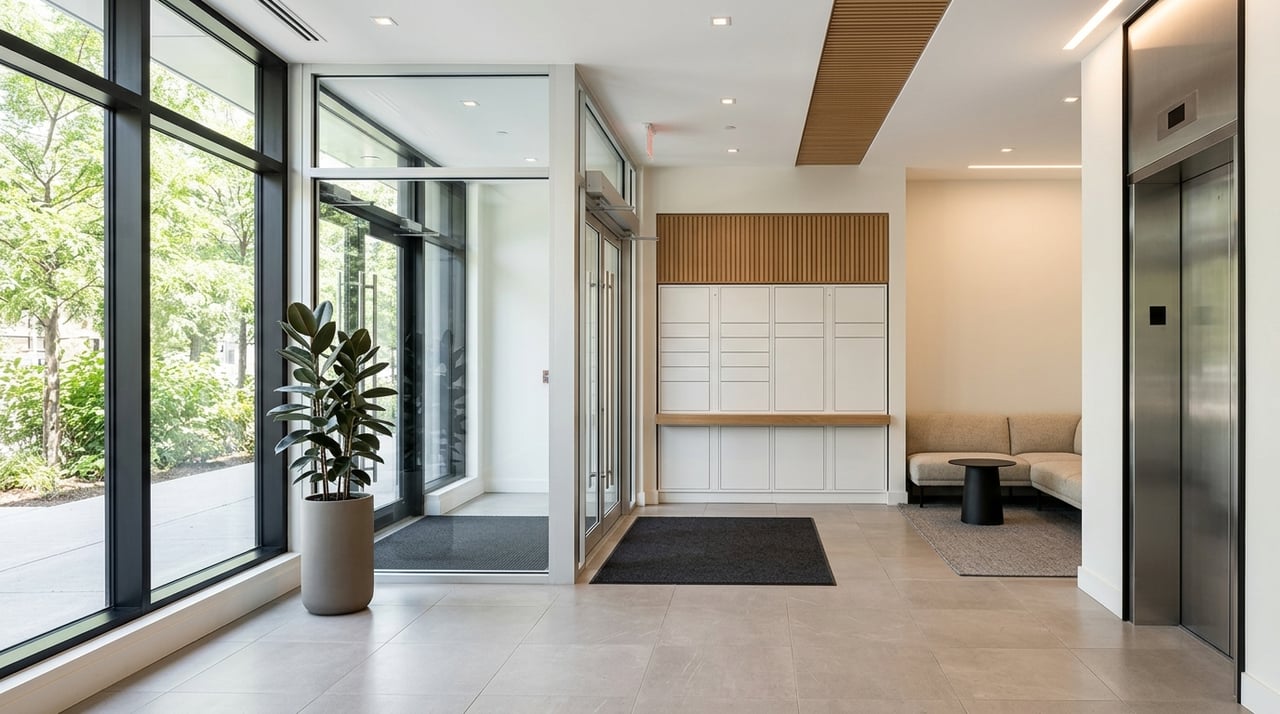
Buying the Right Downtown Minneapolis Condo Building
April 2, 2026
April 2, 2026
Buying a condo in downtown Minneapolis can feel simple at first. You find a great unit, like the view, and start picturing your life there. But in this market, the building you choose often matters just as much as the unit itself. If you want to buy wisely, it helps to look past finishes and focus on location within downtown, HOA health, and the rules that shape daily life. Let’s dive in.
One of the biggest mistakes buyers make is treating all of downtown Minneapolis like one market. It is not. According to the 2024 Annual Housing Report, Minneapolis-Central is heavily weighted toward attached housing, with a 98.8% townhouse-condo attached market share.
That matters because condo shopping downtown is really a mix of building choice and submarket choice. The same report shows a wide range in 2024 median prices across downtown areas. Median prices were about $245,000 in Loring Park, $273,000 in Downtown West, $405,000 in North Loop, and $625,000 in Downtown East.
Those price differences can shape what you get for your budget, what kind of monthly costs you may face, and how the building may appeal to future buyers. A stylish unit in one part of downtown may compete very differently than a similar unit in another. Before you compare layouts or finishes, compare the submarkets first.
As of February 2026, the Minneapolis-Central market report shows a median sales price of $352,500, 135 days on market, 95.3% of original list price received, and 5.1 months of inventory. This gives you useful context for the broader downtown condo market.
Still, building-level decisions should not rely on one month of data alone. The report notes that monthly activity can look extreme in smaller samples, so it is better used as background rather than a prediction for any one building. In other words, market stats help frame the search, but they do not replace careful review of the specific building.
If you are buying a condo, you are not just buying walls and finishes. You are buying into a shared legal and financial structure. In Minnesota, condos and lofts are typically part of a common interest community governed by the Minnesota Common Interest Ownership Act and building documents.
That is why the homeowners association deserves close review. A building with beautiful amenities can still create headaches if the finances are weak or the rules are restrictive. Strong condo purchases usually start with strong building fundamentals.
The Minnesota Attorney General advises buyers to review:
These documents can tell you far more than a listing ever will. They help you understand how the building operates, what it may cost you over time, and whether there are risks that deserve a closer look.
Association finances deserve the same level of attention as the kitchen or the view. The Attorney General notes that boards must budget for reserve funds and replacement reserves, and they may levy special assessments when regular assessments are not enough.
That means low monthly dues are not always a sign of a healthier building. In some cases, lower dues can mean reserves are underfunded or future costs are being delayed. A simpler building with stronger reserves may be a safer long-term choice than a high-amenity building with weaker financial planning.
Building rules affect your day-to-day experience more than many buyers expect. Under Minnesota guidance, boards can regulate parking, animal allowance, common-area use, and other operations within the building.
You should also understand maintenance and insurance responsibilities. In general, owners are responsible for their own units, while the association is responsible for common elements and related maintenance and insurance to the extent reasonably available. That division matters when you are budgeting for ownership.
If you are considering a newer condo building, ask how much declarant control remains. Minnesota guidance says the developer’s control typically ends at the earliest of several events, including five years after the first transfer to another owner or when 75% of the units are sold.
This matters because owner control and developer control can shape how the building is run. It is a smart question to ask early, especially in newer projects where governance may still be evolving.
A condo may look great on paper and still be a poor fit for your routine. Downtown living works best when the building supports how you actually move through the day. In Minneapolis, that often comes down to skyway access, parking, and pet rules.
These details may seem secondary during a first tour. In practice, they often become some of the biggest drivers of satisfaction after closing.
The Minneapolis skyway system is one of downtown’s most distinctive features. Meet Minneapolis describes it as the largest contiguous system of enclosed, second-level bridges in the world, with more than 10 miles of pathways connecting around 80 city blocks.
That said, not all skyway access is equal. Most skyway-connected buildings are open until 6 p.m. Monday through Friday and closed on weekends, but hours vary by building and some street-level doors may be locked after hours. If skyway use matters to your routine, confirm the exact route you would rely on rather than assuming a building is fully convenient just because it is labeled skyway connected.
You can also use downtown transportation and skyway maps to see how a building connects to the places you visit most. That extra step can save you from buying into a location that looks convenient but works differently in real life.
Parking is one of the most important building-specific issues in downtown Minneapolis. It can affect your daily convenience today and your resale appeal later.
Because boards can regulate parking, you should verify how spaces are assigned, whether parking costs extra, and whether any storage or parking arrangement is subject to separate rules. Never assume a parking setup is simple just because a listing mentions a stall.
If you have a pet, or think you might in the future, read the rules carefully. Boards may regulate animal allowance, and policies can vary widely by building.
The right question is not just whether pets are allowed. You should also ask whether there are weight limits, breed limits, number limits, or move-in restrictions stated in the governing documents. Those details can have a major effect on whether the building truly fits your lifestyle.
Even if you plan to stay for years, it is wise to buy with resale in mind. Downtown submarkets attract different buyer pools, and not every building will be equally easy to market later.
A practical way to think about resale is this: a building in a stronger-demand area with healthy association finances, useful parking, and a setup that supports daily routines is often easier to sell than one with burdensome monthly costs or restrictive rules. That is not a formal rule, but it is a smart takeaway from the market and association data.
When you compare downtown condo buildings, pay special attention to:
Unit finishes can always be updated over time. The harder things to change are the building’s finances, rules, and location within downtown.
Once you narrow down a building, your next step is asking better questions before you write or finalize an offer. The most useful questions come straight from the disclosure items Minnesota recommends buyers review.
Here is a simple checklist to bring into the offer stage:
These questions help you move beyond surface-level appeal. They also help you compare buildings more objectively when several units seem equally attractive.
In downtown Minneapolis, the right condo building usually balances association health, daily convenience, and submarket appeal. Those three factors tend to matter more over time than the countertops, lighting, or staging in any one unit.
That is where a thoughtful buying strategy can make a real difference. When you know how to evaluate the building as carefully as the condo itself, you can make a decision that supports both your lifestyle now and your options later. If you want help comparing downtown Minneapolis condo buildings with a more strategic eye, connect with Carolyn Olson, Real Estate Agent.
If you have been thinking of selling your house and moving to a new home, condominium, or loft, she would be happy to help you market and sell your property, find a new home, and negotiate the best possible terms. If you are considering remodeling or renovating your home, she would be happy to help you assess the return on investment. She can even help you find the right architect, interior designer, builder, landscape architect, and craftspeople to make your project run as smoothly as possible.