Local Lifestyle Guide to Living in St Louis Park MN
March 5, 2026
March 5, 2026
Looking for a close-in suburb that still feels like a neighborhood? St. Louis Park gives you quick access to Minneapolis with parks, trails, and easy everyday amenities. Whether you are buying, selling, or just exploring, you want a clear picture of housing styles, budget ranges, commute options, and where life happens day to day. This guide covers all of that so you can decide if St. Louis Park fits your next move. Let’s dive in.
St. Louis Park sits just west of Minneapolis, under five miles from downtown and about 15 miles from MSP airport. The city promotes direct access to I‑394, Hwy 100, Hwy 7, and US‑169, which keeps drive times practical for many commuters. You will find a mature, first‑ring suburb feel with sidewalks, leafy streets, and established blocks. For a quick city snapshot, see the city’s overview of location and access on its Why St. Louis Park page at the City of St. Louis Park.
The community is organized into 35 neighborhoods, ranging from quiet, tree‑lined streets to areas near newer mixed‑use hubs. If you like to research block by block, start with the city’s neighborhoods directory and map.
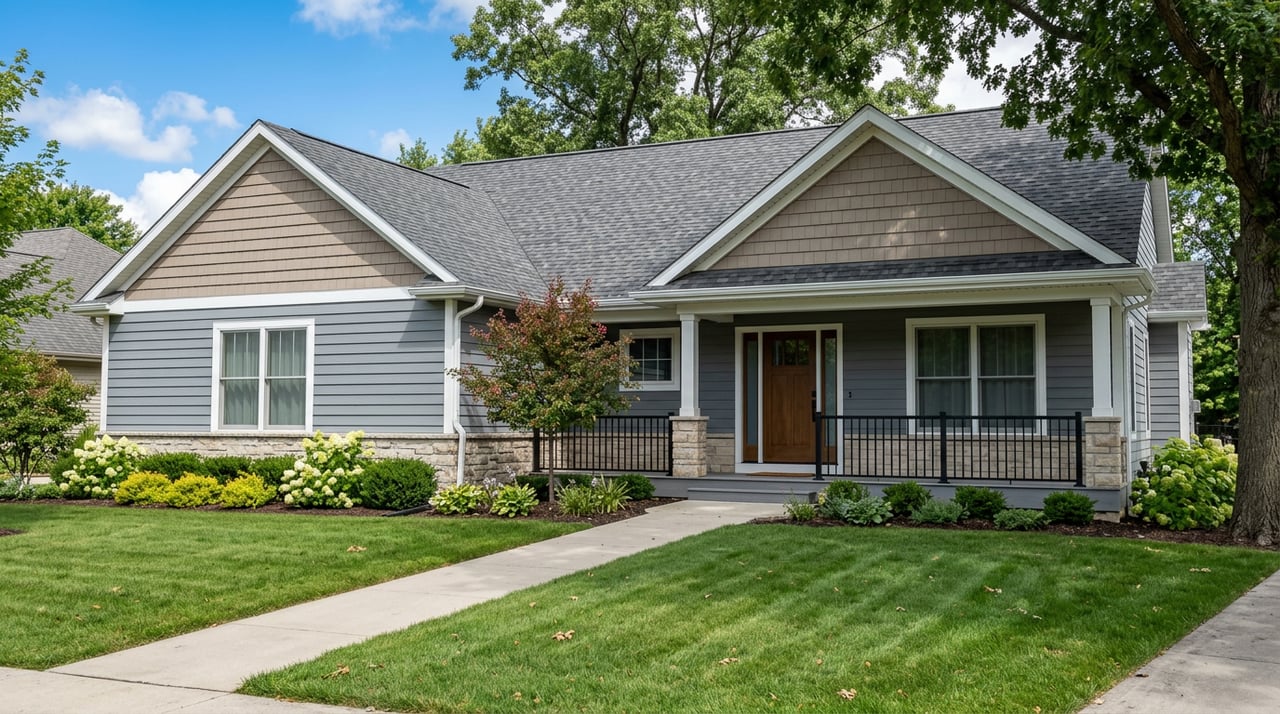
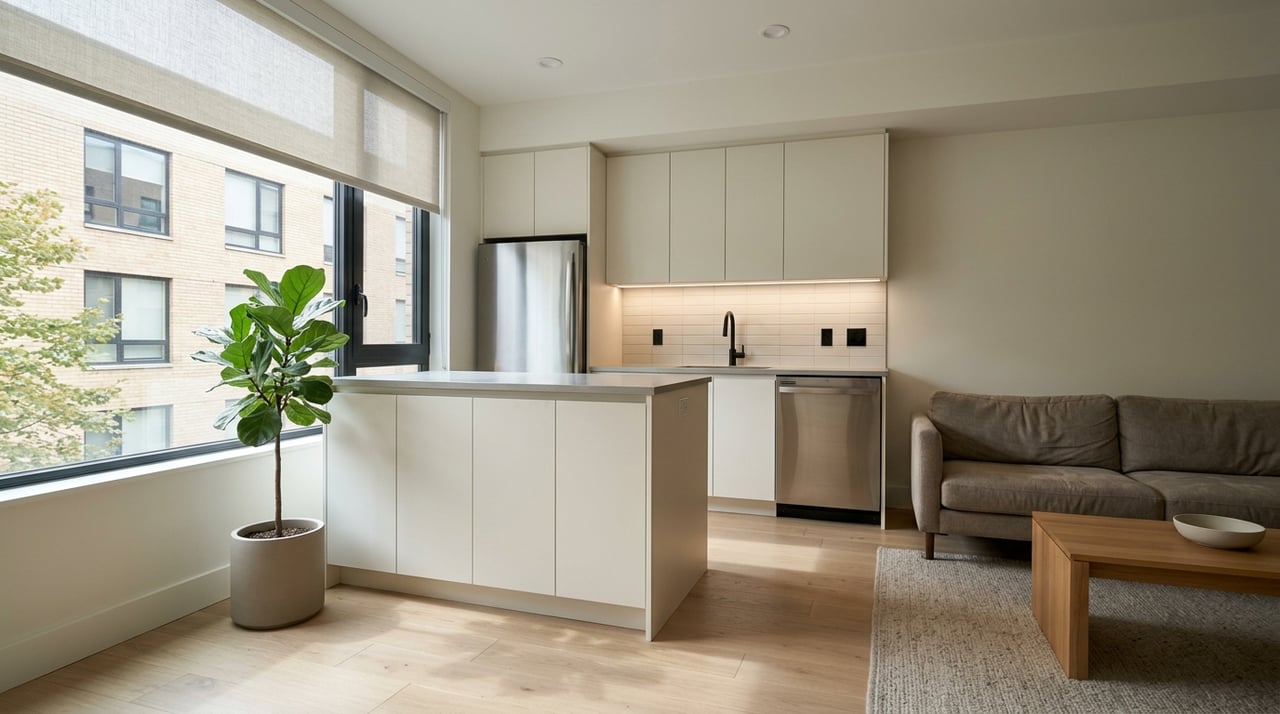
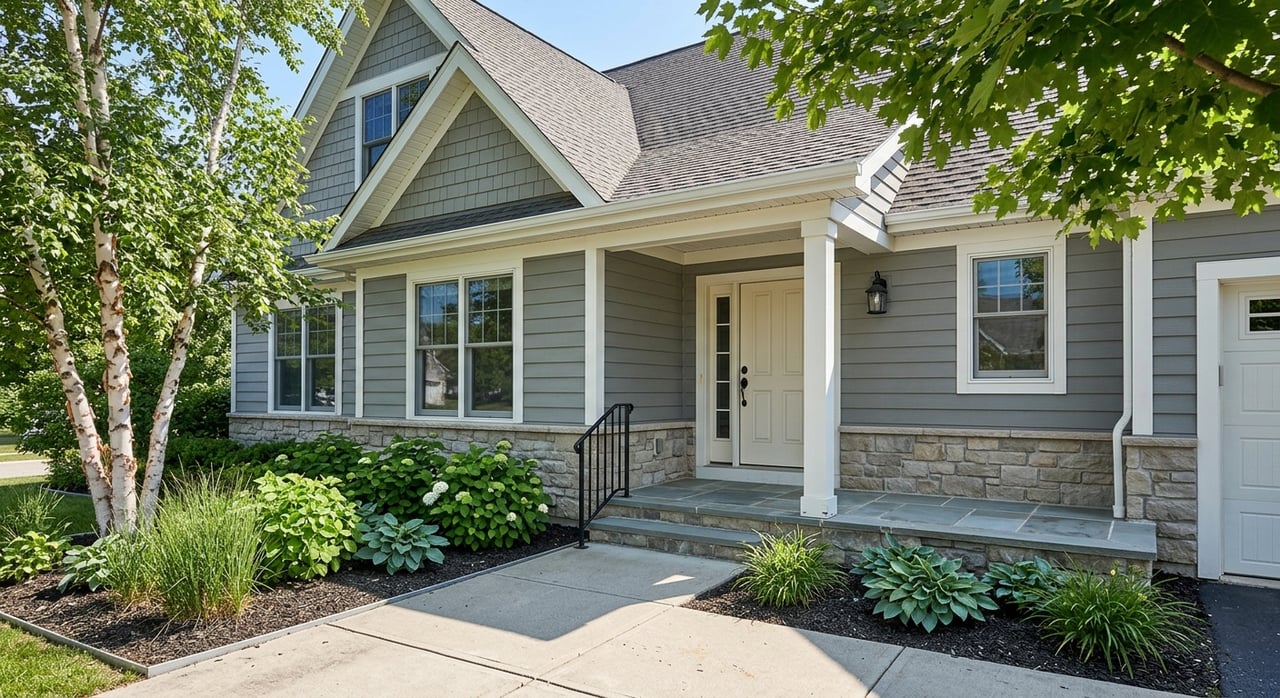
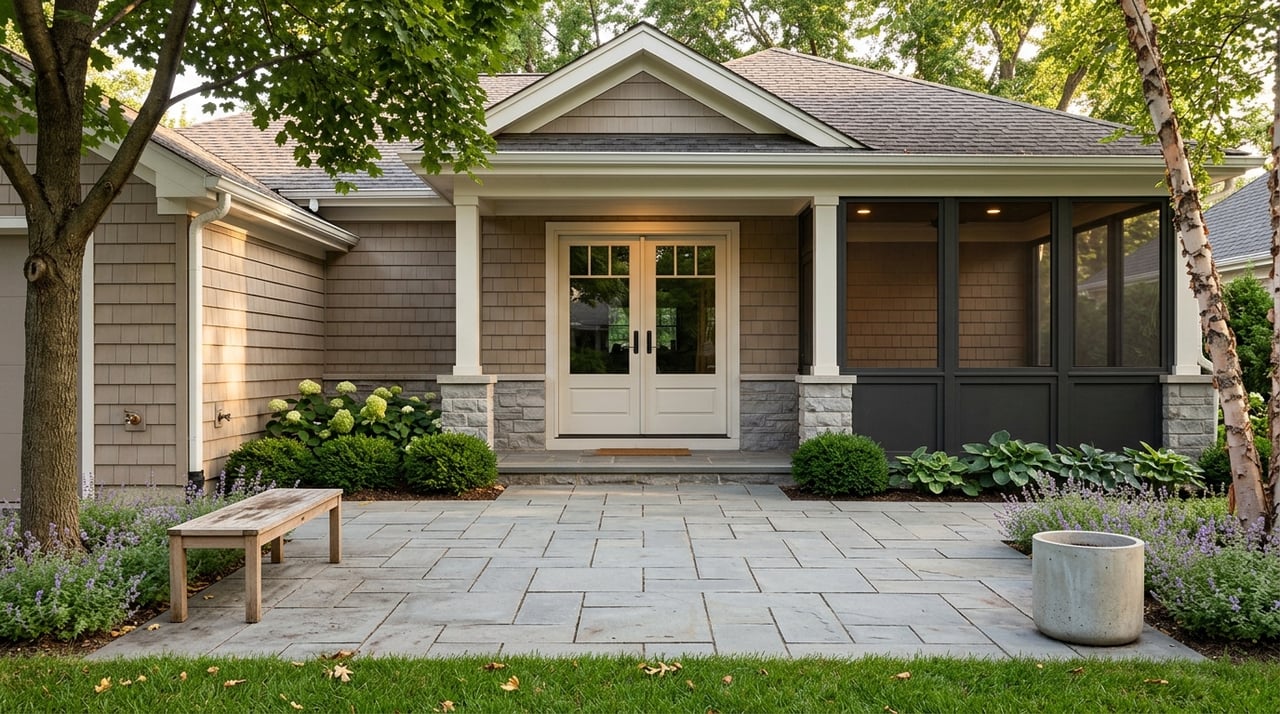
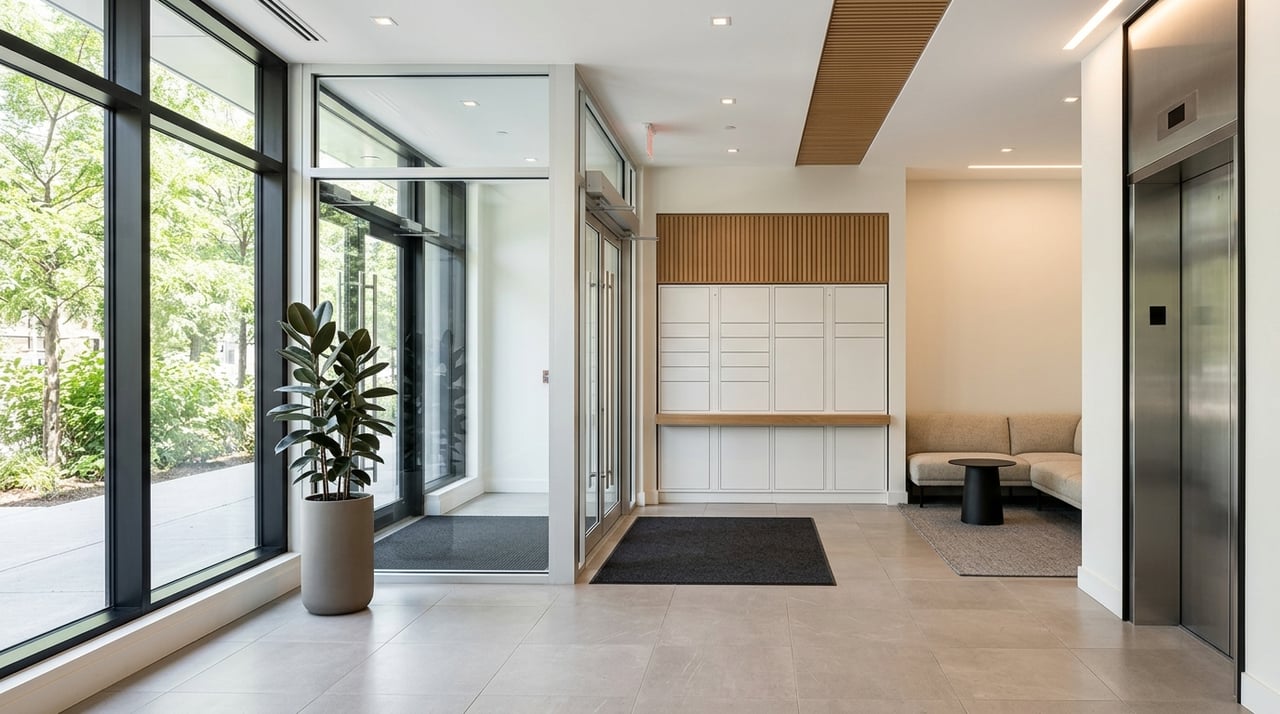
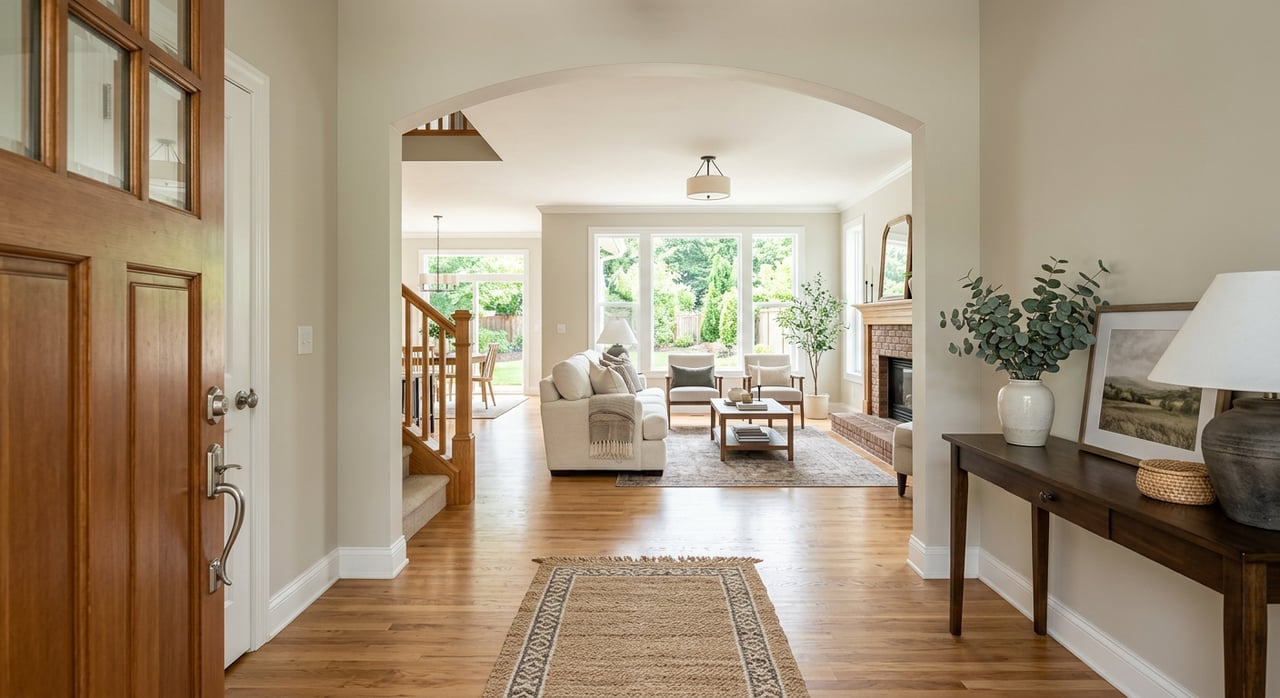
Housing in St. Louis Park reflects its mid‑20th‑century roots. You will see a lot of postwar bungalows, ramblers, and split‑levels, along with pockets of newer townhomes and condos near redeveloped corridors like West End and Excelsior & Grand. This creates real variety for buyers who want both classic homes and low‑maintenance options. A design publication summarizes the area well, noting established blocks alongside energized infill near key retail centers, which you can preview in this overview from Midwest Design Magazine.
Here is a simple way to frame today’s market based on major public trackers as of late 2025:
If you want a more precise view for your block or building, recent comparable sales are the most reliable guide. A local pricing strategy paired with professionally prepared presentation can still make a measurable difference in your net.
If you value green space, St. Louis Park delivers. The city highlights more than 50 parks and roughly 24 miles of trails, plus well‑used amenities like an aquatic park, Rec Center, and seasonal ROC. Westwood Hills Nature Center is a local favorite for everyday walks, wildlife, and year‑round programs. Explore facilities and programs on the city’s parks and recreation page.
Sidewalk and trail improvements continue to connect neighborhoods to parks, schools, and retail nodes. The result is an easy rhythm for daily life: morning walks, a quick bike ride to errands, and evening loops after dinner.
St. Louis Park organizes daily life around a few key hubs instead of a single historic downtown:
Together these pockets cover most errands within a short drive, while the park network keeps weekends active and close to home.
You will find straightforward driving via I‑394, Hwy 100, Hwy 7, and US‑169. The city itself points to highway connectivity as a major benefit for residents and businesses; skim the highlights on Why St. Louis Park.
If you prefer transit, the Louisiana Avenue Transit Center offers express buses and multi‑route service to downtown Minneapolis and other regional destinations. Review routes and Park & Ride details on Metro Transit’s Louisiana Avenue Transit Center page.
Looking ahead, the METRO Green Line Extension is scheduled to open in 2027 and will add stations serving St. Louis Park at Beltline Blvd, Wooddale Ave, and Louisiana Ave. The region expects meaningful neighborhood activity near these stations once service starts. For official timelines and station maps, visit the Met Council’s Green Line Extension project page.
Pricewise, St. Louis Park typically sits between Minneapolis citywide averages and higher‑priced neighbors like Edina. Golden Valley and Minnetonka often land above St. Louis Park but below the most expensive pockets of Edina. Treat these as directional comparisons when you set expectations for budget and home size.
Lifestyle tradeoffs are clear. In St. Louis Park you get quick urban access, strong park and trail coverage, and several walkable retail pockets. Compared with farther‑out suburbs, lots can be smaller and attached housing more common near commercial corridors. If you are deciding between more space or more access, this is a useful lens.
The Green Line Extension is the headline. Stations at Beltline, Wooddale, and Louisiana are expected to increase attention on nearby blocks once trains are running. City resources also point to ongoing infill near West End and Excelsior & Grand, which continues to expand dining and services.
If your timeline spans the next few years, keep an eye on construction updates and station testing notices. The Met Council’s project page is the best source for schedule changes.
Ready to map your move or fine‑tune your sale? Connect with Carolyn Olson, Real Estate Agent for a tailored plan that blends local market strategy with design‑first presentation.
If you have been thinking of selling your house and moving to a new home, condominium, or loft, she would be happy to help you market and sell your property, find a new home, and negotiate the best possible terms. If you are considering remodeling or renovating your home, she would be happy to help you assess the return on investment. She can even help you find the right architect, interior designer, builder, landscape architect, and craftspeople to make your project run as smoothly as possible.