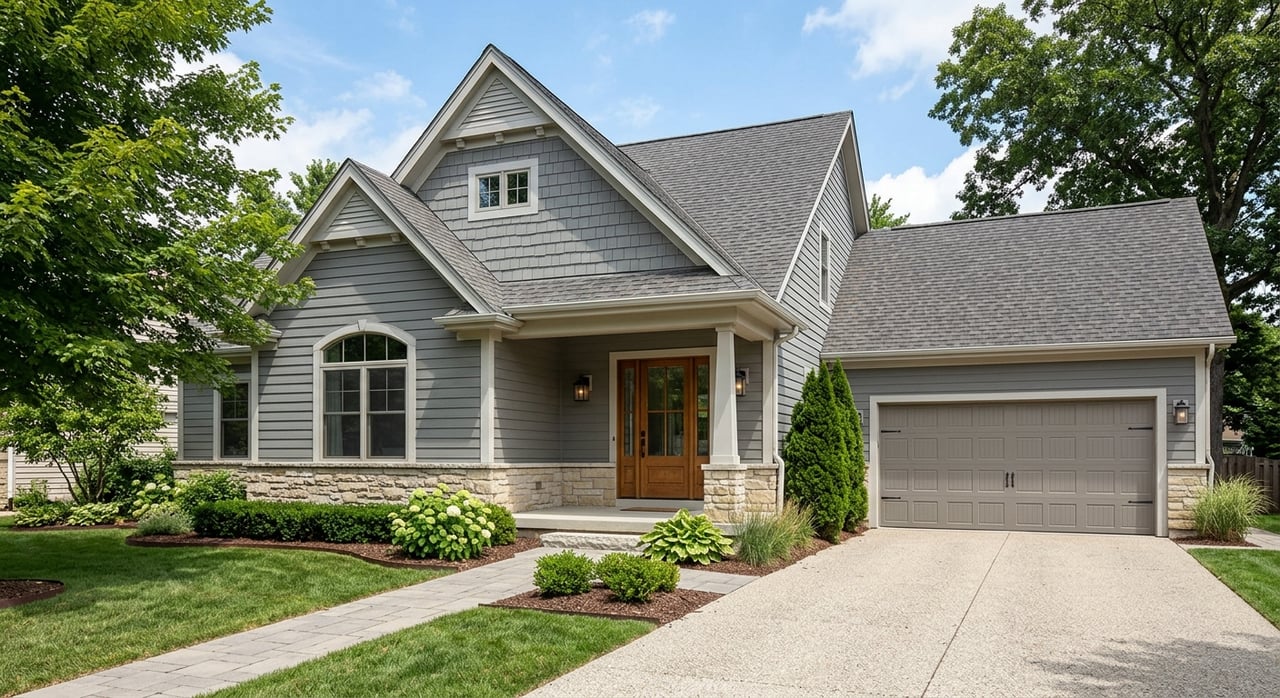
Strategic Pricing And Staging For Plymouth Home Sellers
June 11, 2026
June 11, 2026
If you are selling a home in Plymouth, your first price and your first impression matter more than ever. Buyers are still active, but they are also more payment-sensitive, more selective, and quicker to move past a home that feels overpriced or poorly presented. The good news is that when pricing, staging, and timing work together, you can create stronger early interest and put your home in a better position from day one. Let’s dive in.
Recent Plymouth data points to a seller-leaning market, but not one where you can simply name a number and wait. Realtor.com reported in March 2026 that Plymouth was a seller's market, with homes selling for about asking price on average and a median 27 days on market. Redfin and Zillow reported similar momentum in April, even though their exact figures differ because they measure different slices of the market.
That consistency matters. It tells you that well-priced, well-presented homes are still moving in Plymouth. At the same time, broader Twin Cities data shows a softer backdrop than the most frenzied pandemic-era conditions, which means precision is now doing more of the heavy lifting.
Mortgage rates are part of that picture too. Freddie Mac's June 4, 2026 reading put the 30-year fixed rate at 6.48%, which keeps monthly payment sensitivity front and center for many buyers. In practical terms, that means buyers may still stretch for the right home, but they are less likely to ignore pricing mistakes.
A strong pricing strategy starts with a comparative market analysis, often called a CMA. According to the National Association of Realtors, a CMA looks at recently sold, pending, and active comparable homes while weighing factors like size, condition, location, amenities, and current market conditions. That is the right starting point for any Plymouth seller who wants to attract serious buyers without leaving money on the table.
For upper-mid-market sellers in Plymouth, citywide averages are only part of the story. A median sale price or average home value can help frame the market, but it cannot replace a neighborhood-level review of similar homes. The most useful price is the one supported by the most relevant recent comps, not the broadest headline.
Your opening list price shapes how buyers and agents see your home from the beginning. In a market where homes are selling close to asking on average, buyers are showing that they will engage when a property feels properly positioned. That makes the first week on market especially valuable.
Overpricing can cost more than a later price reduction suggests. Redfin reported in March 2026 that pricing a home 10% or more above market value can add more than a month to time on market. When buyers have more inventory to compare and financing costs remain elevated, that extra time can reduce momentum and weaken your negotiating position.
NAR notes that sellers who want to move quickly may choose a more competitive price, while sellers with more time may aim higher. That is true, but your home's condition also matters. A home that feels turnkey and polished can support stronger positioning than one that needs visible repairs or cosmetic updates.
This is where strategy becomes personal. If your goal is to maximize net proceeds, the best answer is not always the highest list price. Often, it is the price that creates urgency, supports strong showing activity, and gives buyers confidence that the home is aligned with the market.
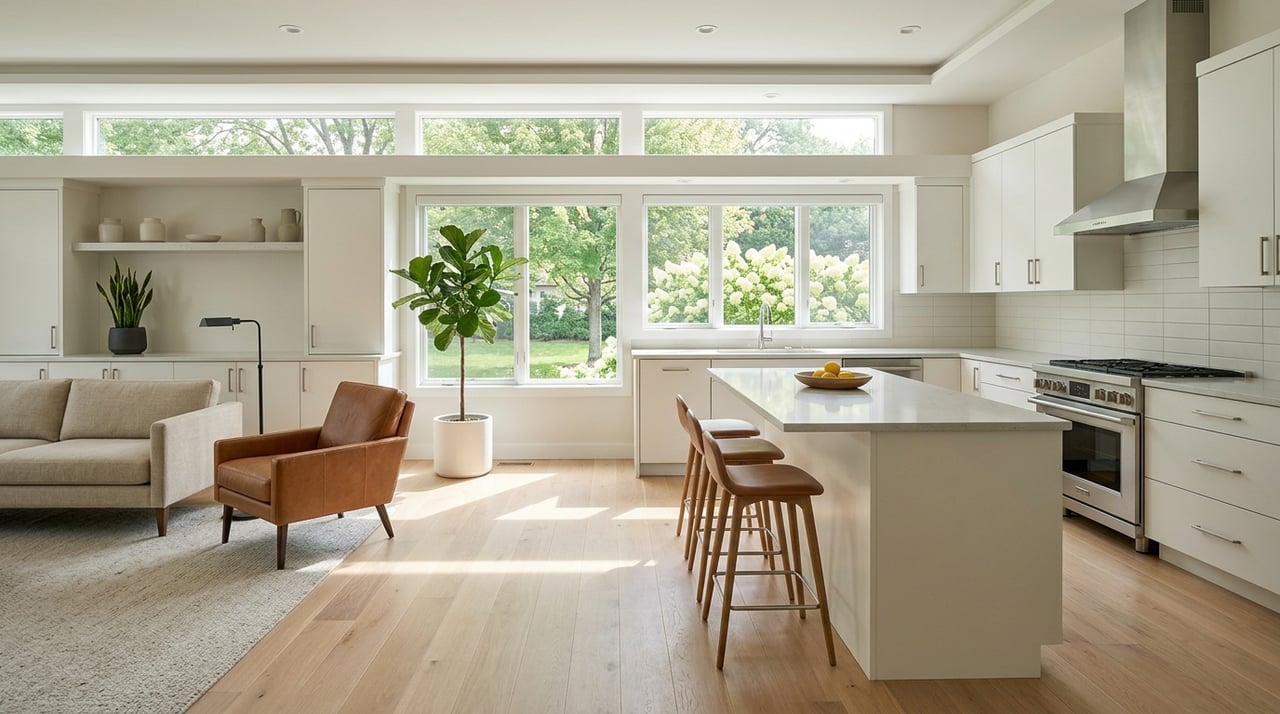
Staging is not about making your home look fancy. It is about helping buyers understand the space quickly and positively. NAR's 2025 Profile of Home Staging found that 83% of buyers' agents said staging makes it easier for buyers to visualize a property as their future home, and 49% of sellers' agents said staging reduced time on market.
That is why staging matters in Plymouth right now. When buyers are watching both value and monthly payment, they are often drawn to homes that feel easy to say yes to. A clear, calm, move-in-ready presentation reduces friction in the buyer's imagination.
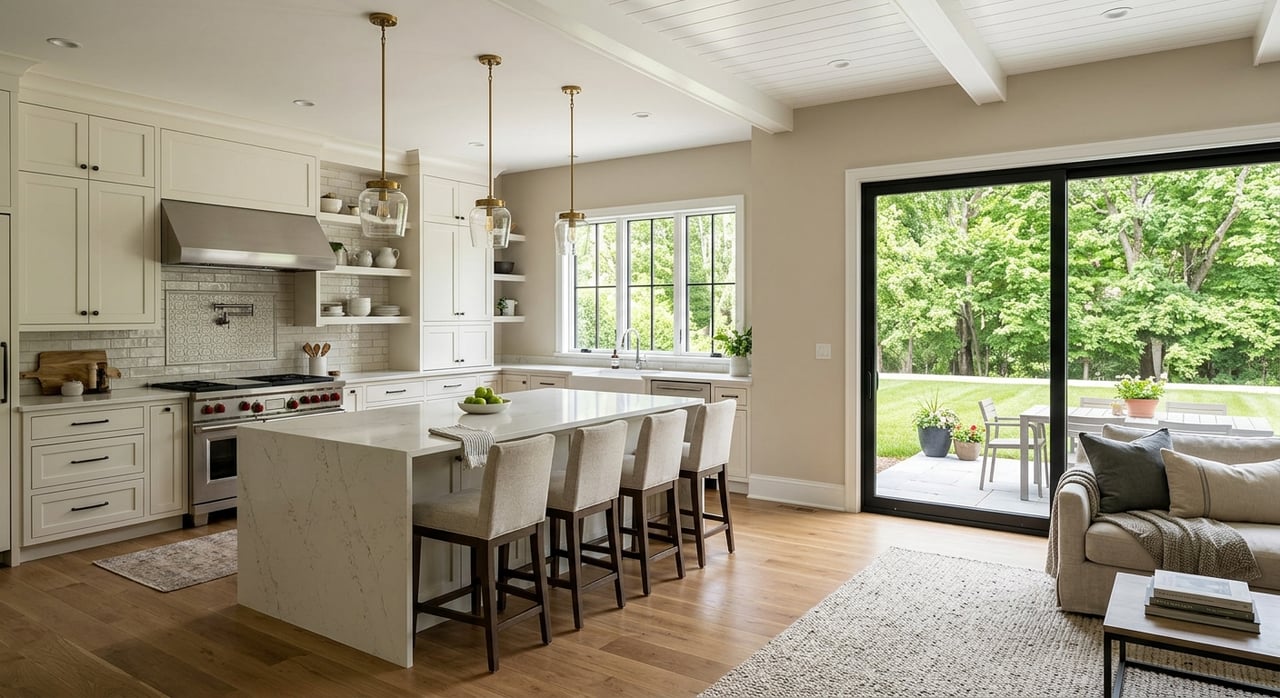
NAR reports that the most commonly staged rooms are the living room, primary bedroom, dining room, and kitchen. Those are often the spaces that shape a buyer's overall impression of the home. If those rooms feel bright, spacious, and functional, the rest of the property tends to benefit.
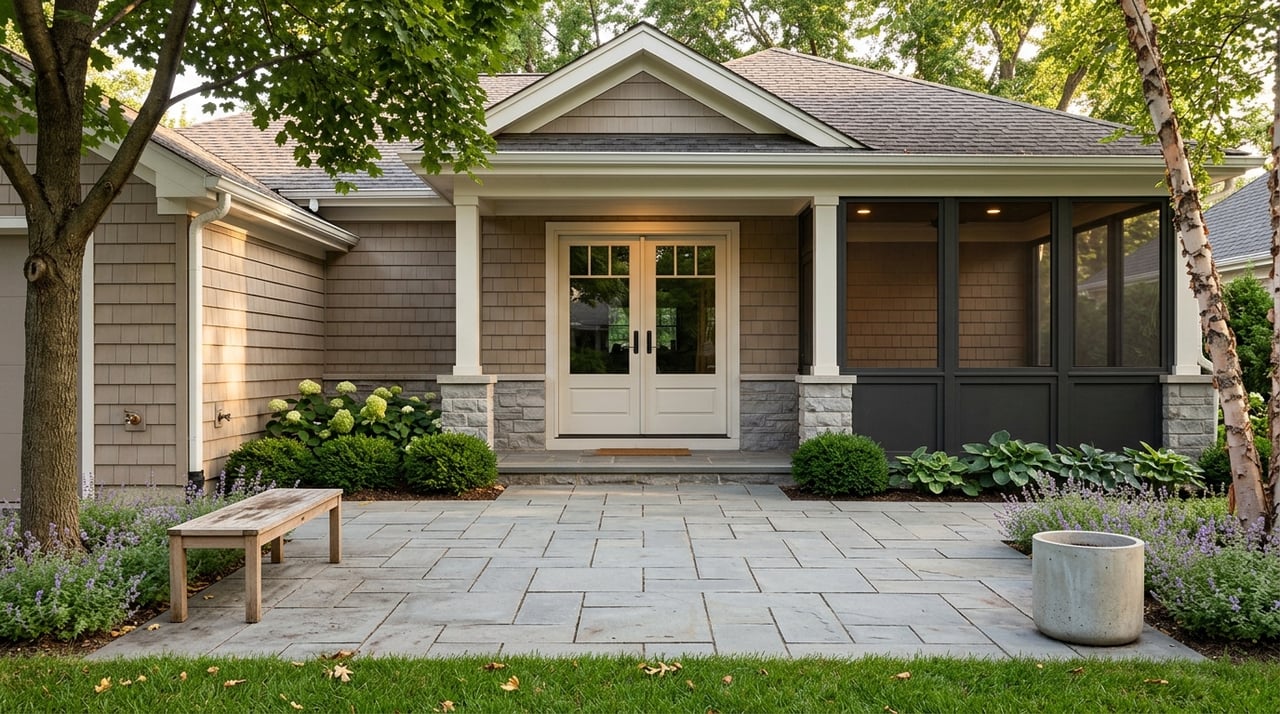
For many Plymouth homes, the goal is not dramatic styling. It is editing. Removing bulky furniture, simplifying decor, and creating better flow can make everyday spaces feel larger and more inviting without a major investment.
Most sellers do not need a full remodel before they list. NAR's staging guidance points instead to practical, high-return steps that improve how the home shows in person and in photos.
Consider focusing on:
These changes help your home feel cared for, spacious, and ready for the market. For upper-mid-market properties, that polished but natural presentation often works better than an overdesigned look.
Many sellers ask when they should list. The better question is often when they should start preparing. Realtor.com noted that while spring often gets attention, the best time to sell depends on local conditions, mortgage rates, and competition. Some sellers may even benefit from entering the market earlier to get ahead of the busiest spring window.
That is why pre-list preparation matters so much in Plymouth. Waiting for the perfect calendar week can be less effective than using several weeks in advance to get pricing, presentation, paperwork, and repairs lined up. When your home is ready before it hits the market, you give yourself more options.
If you plan to list soon, give yourself a runway. Staging decisions, touch-up work, permit questions, and disclosure documents all take time. Starting early can also reduce stress and help you make better decisions instead of rushed ones.
The City of Plymouth notes that some residential permits may be issued at application, while others can take up to five working days. The city also advises homeowners to apply well in advance, especially during the summer construction season. If you are addressing windows, roofing, siding, plumbing, electrical, or mechanical work before listing, this timeline matters.
Before photos and showings begin, it is smart to gather the facts about your home. Plymouth's My Property Info tool allows homeowners to review permit and inspection history by property. That can help you confirm records, answer buyer questions more confidently, and spot any issues early.
This step is especially useful if you have owned the home for many years or completed updates over time. Having your paperwork organized makes the listing process smoother and can help avoid last-minute surprises.
In Minnesota, disclosures should be part of your prep process, not an afterthought. The Minnesota Attorney General states that sellers must make a good-faith written disclosure about conditions that could significantly affect a buyer's use or enjoyment of the property. Minnesota also has specific disclosure requirements for wells and radon where applicable.
The Minnesota Department of Health says sellers must disclose the status and location of all known wells before a purchase agreement is signed. It also requires written disclosure of any known radon information before a purchase agreement is signed, including test history and the required state brochure. MDH recommends that every Minnesota home be tested for radon, and for real estate transactions it recommends closed-house testing by a licensed measurement professional, ideally before the sale process is underway.
Handling these items early supports a cleaner transaction. It also gives you time to gather records, complete testing if needed, and present your home with fewer unresolved questions.
If you want to sell with confidence, think about the process in three connected parts: price, presentation, and preparation. Each one supports the others. A beautiful home can still stall if it is overpriced, and a well-priced home can miss opportunities if it is not ready for photos and showings.
A practical plan often looks like this:
That alignment is where strong results often begin. In Plymouth, buyers are still willing to pay close to asking when a home is positioned well, but the margin for error is smaller than it was at the peak of the market.
If you are preparing to sell in Plymouth and want a tailored plan for pricing, staging, and pre-list timing, Carolyn Olson, Real Estate Agent can help you position your home with thoughtful guidance and a design-forward strategy.
If you have been thinking of selling your house and moving to a new home, condominium, or loft, she would be happy to help you market and sell your property, find a new home, and negotiate the best possible terms. If you are considering remodeling or renovating your home, she would be happy to help you assess the return on investment. She can even help you find the right architect, interior designer, builder, landscape architect, and craftspeople to make your project run as smoothly as possible.